
Searching for the Immortal Emperor? A Space‑Opera Reading Pack to Find the Saga That Haunts You
A tight, reader‑focused guide that points you to the exact space‑opera books and series about rulers who won’t die—complete with reading orders, format tips, and mood matches so you can pick the perfect next binge tonight.

Books Featured in This Article
Explore the books discussed
Your hunt for the immortal emperor: the space opera starter pack readers actually need
If you’re trying to track down that space‑empire saga about a centuries‑old ruler who cheats death—through cloning, rebirth tech, or sheer unholy will—this guide zeroes in on the books and series that deliver that exact shiver: rulers who won’t stay dead, galaxy‑wide civil wars, elite augmented soldiers, alien threats, and the kind of political scheming that makes you flip “just one more chapter” until 2 a.m. It’s curated for readers who love the big canvases of Dune, Imperial Radch, Machineries of Empire, The Risen Empire, or Warhammer%2040K%20lore&utm_source=bookjunkie.co&utm_medium=article&utm_content=article&utm_campaign=article" class="book-ref enhanced-link" data-type="recommended" data-link-category="book" target="_blank" rel="noopener noreferrer">Warhammer 40K lore, and for anyone who wants clear reading‑order tips plus the best print, ebook, and audiobook options to start today.
Pullout: Best first stops if you remember “the emperor keeps coming back”
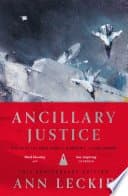
- Ancillary Justice by Ann Leckie (Imperial Radch)
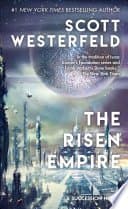
- The Risen Empire by Scott Westerfeld
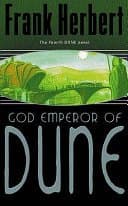
- Dune&utm_source=bookjunkie.co&utm_medium=article&utm_content=article&utm_campaign=article" class="book-ref enhanced-link" data-type="recommended" data-link-category="book" target="_blank" rel="noopener noreferrer">God Emperor of Dune by Frank Herbert (within the Dune saga)
Where to start if you remember the emperor as many clones at once
If your memory is of a ruler who lives in multiple bodies simultaneously and sparks a civil war against themself, you’re almost certainly thinking of the Imperial Radch.
- Ancillary Justice by Ann Leckie (Book 1 of the Imperial Radch trilogy)
- What makes it special: The Lord of the Radch, Anaander Mianaai, exists across many cloned bodies—an empire embodied in a single, fracturing mind. The protagonist, Breq, is the lone surviving ancillary (a human body that once housed the mind of a starship) on a vengeance quest. It’s intimate and cosmic at once.
- Vibe: Smart, measured, subversive space opera with knife‑sharp political maneuvering; thoughtful treatment of identity and personhood.
- Reading order and formats:
- Series order: Ancillary Justice → Ancillary Sword → Ancillary Mercy
- Best for: Readers who love AIs with feelings, empire‑level politics, and a slow-burn reveal of how power really works.
- Format tip: The audiobook’s consistent voice helps track complex politics and names.
- If you want something more fleet‑action‑heavy but still centered on an undying ruler…
- The Risen Empire by Scott Westerfeld (duology with The Killing of Worlds)
- What makes it special: The emperor is functionally immortal thanks to resurrection tech, and that has reshaped the empire’s ethics, warfare, and class lines. Expect precise hard‑science space battles, a razor‑intelligent senator, and a conflicted starship captain.
- Vibe: Clean, aerodynamic prose; tense, tactical set pieces; ethical dilemmas about immortality.
- Reading order: The Risen Empire → The Killing of Worlds
- Format tip: In audio, the tactical sequences are exceptionally clear.
- The Risen Empire by Scott Westerfeld (duology with The Killing of Worlds)
Blockquote:
“Immortality is rarely just a personal choice in space opera—it’s a political earthquake. When rulers don’t die, revolutions have to get smarter, colder, and far more patient.”
The canon touchstone: Dune’s immortal tyranny and the resurrection of a favorite soldier
- Dune&utm_source=bookjunkie.co&utm_medium=article&utm_content=article&utm_campaign=article" class="book-ref enhanced-link" data-type="recommended" data-link-category="book" target="_blank" rel="noopener noreferrer">God Emperor of Dune by Frank Herbert (Dune saga)
- What makes it special: Leto II rules as a near‑omniscient, near‑immortal tyrant, and the series threads resurrection through its lore—especially the tradition of resurrecting Duncan Idaho as a ghola again and again. These ideas supercharge the epic with questions of destiny, ecology, and control.
- Vibe: Philosophical, austere, visionary; fewer dogfights, more godlike strategy.
- Reading path for new readers:
- Start with: Dune → Dune%20Messiah&utm_source=bookjunkie.co&utm_medium=article&utm_content=article&utm_campaign=article" class="book-ref enhanced-link" data-type="recommended" data-link-category="book" target="_blank" rel="noopener noreferrer">Dune Messiah → Dune&utm_source=bookjunkie.co&utm_medium=article&utm_content=article&utm_campaign=article" class="book-ref enhanced-link" data-type="recommended" data-link-category="book" target="_blank" rel="noopener noreferrer">Children of Dune
- Then: Dune&utm_source=bookjunkie.co&utm_medium=article&utm_content=article&utm_campaign=article" class="book-ref enhanced-link" data-type="recommended" data-link-category="book" target="_blank" rel="noopener noreferrer">God Emperor of Dune (the heart of the “immortal ruler” idea)
- For series completists: Dune&utm_source=bookjunkie.co&utm_medium=article&utm_content=article&utm_campaign=article" class="book-ref enhanced-link" data-type="recommended" data-link-category="book" target="_blank" rel="noopener noreferrer">Heretics of Dune → Dune&utm_source=bookjunkie.co&utm_medium=article&utm_content=article&utm_campaign=article" class="book-ref enhanced-link" data-type="recommended" data-link-category="book" target="_blank" rel="noopener noreferrer">Chapterhouse: Dune
- Format tip: Dune works in any format; if you’re an audiobook listener, the layered narration heightens the mythic tone.
- Mood check: The pacing can be meditative. If you want constant firefights, choose a different first pick.
Pullout: A line that defines the journey
- “I must not fear. Fear is the mind‑killer.” — from Dune by Frank Herbert
Resurrected tacticians and elite soldiers: the military‑SF vein
If what you crave is brilliant, borderline‑mythical commanders brought back from oblivion, alongside squads of enhanced fighters and tight battlefield strategy, these series deliver.
- Ninefox Gambit by Yoon Ha Lee (Machineries of Empire trilogy)
- What makes it special: The Hexarchate resurrects the infamous general Shuos Jedao by binding his mind to Captain Kel Cheris. It’s resurrection-as-weapon, calendrical warfare as technology, and a thousand cold political calculations.
- Vibe: Dazzlingly inventive, math‑and‑myth‑driven space warfare; surprising humor amid the cruelty.
- Reading order: Ninefox Gambit → Raven Stratagem → Revenant Gun
- Comparable to: The strategic audacity of The Risen Empire with the metaphysical density of Gene Wolfe.
- Content note: Steep learning curve for the worldbuilding in book 1; it pays off.
- Old Man’s War by John Scalzi (series)
- What makes it special: Not about an immortal emperor, but absolutely about “cheating death” for elite soldiers—senior citizens given sharp new bodies and advanced tech to fight human expansion wars.
- Vibe: Snappy, accessible, character‑first; tech and tactics without the jargon overload.
- Reading order tip: Start with Old Man’s War; if you love it, continue with The Ghost Brigades, The Last Colony, and beyond.
- Format tip: A great audiobook gateway for military SF newcomers.
Blockquote:
“Some series resurrect heroes to give us legends; others resurrect them to question the cost of winning. The best military SF does both.”
Standalones and shorter on‑ramps with immortal or cloned lineages
Sometimes you want the epic feel without committing to 10+ books. These picks honor your “immortal ruler/clones” craving in one or two volumes.
- House of Suns by Alastair Reynolds
- What makes it special: A distant‑future epic about the Gentian Line—near‑immortal clones, called shatterlings, who circumnavigate the galaxy over millennia. No emperor here, but the clone‑dynasty perspective nails that sense of vast continuity and deep time.
- Vibe: Lush, melancholic, sense‑of‑wonder space opera; high‑concept mysteries and ancient betrayals.
- Format tip: Works beautifully in audio for the alternating perspectives.
- A Memory Called Empire by Arkady Martine (duology with A Desolation Called Peace)
- What makes it special: The Teixcalaanli Empire obsesses over poetry and power, and memory technology lets people inherit prior minds—a softer echo of immortality that still shapes succession and statecraft. The emperor’s court politics are lethal, intricate, and addictive.
- Vibe: Lyrical and cerebral; more palace intrigue than broadside volley.
- Reading order: A Memory Called Empire → A Desolation Called Peace
- Similar to: Imperial Radch fans who want language, ceremony, and culture as weapons.
- The Praxis by Walter Jon Williams (Dread Empire’s Fall trilogy)
- What makes it special: The empire’s immortal overlords, the Shaa, have died out—leaving their disciplined subjects to inherit the machinery of conquest. Cue civil wars, grand fleets, and brilliant tactical reversals.
- Vibe: Classic naval‑in‑space military SF with romance, ambition, and clever subterfuge.
- Reading order: The Praxis → The Sundering → Conventions of War
- Format tip: Clean prose makes for an easy audio entry point.
Blockquote:
“Immortality can be a person, a technology, or a tradition that refuses to die. Empires are built from all three.”
Dark lords, necrolords, and theological immortality: when science feels like sorcery
- Gideon the Ninth by Tamsyn Muir (The Locked Tomb series)
- What makes it special: A star‑spanning necromantic empire ruled by an undying Emperor. It’s science fantasy—but if you come for the immortal ruler and stay for the swords, bones, and blistering banter, you won’t be disappointed.
- Vibe: Gothic, irreverent, clever; heartfelt relationships buried beneath layers of skull‑polish.
- Reading order: Start with Gideon the Ninth; continue with Harrow the Ninth and Nona the Ninth.
- Content note: Body horror/gore at times; also one of the genre’s most devoted fandoms.
- Hyperion by Dan Simmons (Hyperion Cantos)
- What makes it special: In later volumes, resurrection technology reshapes religion and politics as an empire hardens around the promise of life after death. The early books blend pilgrimage and myth; the later books escalate into empire‑level confrontations and theological warfare.
- Vibe: Literary, ambitious, time‑twisting; meditative chapters punctuated by terror.
- Reading order: Hyperion → Hyperion&utm_source=bookjunkie.co&utm_medium=article&utm_content=article&utm_campaign=article" class="book-ref enhanced-link" data-type="recommended" data-link-category="book" target="_blank" rel="noopener noreferrer">The Fall of Hyperion → Endymion → Endymion&utm_source=bookjunkie.co&utm_medium=article&utm_content=article&utm_campaign=article" class="book-ref enhanced-link" data-type="recommended" data-link-category="book" target="_blank" rel="noopener noreferrer">The Rise of Endymion
- For: Readers who enjoy big philosophical swings alongside alien menace.
Pullout: If you like “magic systems as physics”
- Try Ninefox Gambit for calendrical weapons → then slide into Gideon the Ninth for necromancy‑as‑technology.
From noble houses to sun‑killing legends: grand‑scale sagas to sink into
- Empire of Silence by Christopher Ruocchio (Sun Eater series)
- What makes it special: A memoir‑style epic about Hadrian Marlowe, who will one day destroy a sun and change humanity’s war with the alien Cielcin. The empire is ancient and stratified; immortality exists in the margins via longevity and godlike figures.
- Vibe: Operatic, reflective, sweeping; court intrigue meets brutal frontier skirmishes.
- Reading order: Empire of Silence → Howling Dark → Demon in White → Kingdoms of Death → Ashes of Man (and beyond)
- Comparable to: Dune’s dynastic tension with a darker, more confessional voice.
- Format tip: In audio, the memoir tone feels like a fireside confession from a legendary exile.
- Vorkosigan Saga by Lois McMaster Bujold
- What makes it special: A character‑driven tour through empires and alliances, bristling with cloning ethics, military escapades, and heartfelt romance. No immortal emperor, but a richly drawn imperial system and unforgettable characters.
- Vibe: Witty, humane, nimble; some books are comedic capers, others intimate war stories.
- Entry points:
- Shards of Honor → Barrayar (Cordelia’s story, perfect for book clubs)
- The Warrior’s Apprentice (Miles’s first romp)
- Content note: Themes include disability, identity, and found family.
Blockquote:
“Not every empire needs a god‑king. Sometimes the immortality that matters most is a character you’ll remember for the rest of your reading life.”
Lore‑heavy, war‑driven, and gloriously grim: the Warhammer%2040%2C000&utm_source=bookjunkie.co&utm_medium=article&utm_content=article&utm_campaign=article" class="book-ref enhanced-link" data-type="recommended" data-link-category="book" target="_blank" rel="noopener noreferrer">Warhammer 40,000 pathway
If you love the idea of a god‑Emperor on a Golden Throne, civil wars of demigods, and the drumbeat of total war across ten thousand years, these are the most accessible entry points.
- Horus Rising by Dan Abnett (Book 1 of The Horus Heresy)
- What makes it special: The beginning of the Imperium’s great civil war—primarchs, legions, and the tragic arc that defines the setting. Cloning and resurrection weave through various arcs (look out for Fabius Bile and other sinister side threads).
- Vibe: Martial, operatic, tragic; camaraderie under a doomed banner.
- Reading order for a clean start:
- The Horus Heresy opening trilogy: Horus Rising → False Gods → Galaxy in Flames
- Then branch to fan‑favorite arcs or character spotlights as interest dictates.
- Format tip: Warhammer audiobooks push the “bolter‑opera” energy; great commuter catharsis.
- For a perspective on the Imperium’s theology and cost:
- The Master of Mankind by Aaron Dembski‑Bowden
- A focused, atmospheric look at the Emperor’s war beneath the palace and the price of the Imperium’s survival.
- The Master of Mankind by Aaron Dembski‑Bowden
Pullout: The line that launched a legend
- “I was there, the day Horus slew the Emperor.” — from Horus Rising by Dan Abnett
How to choose your next read: quick comparisons and reading paths
- Best match for “cloned emperor in many bodies”:
- Start with Ancillary Justice by Ann Leckie, then A Memory Called Empire by Arkady Martine for adjacent themes of memory and power.
- Best match for “immortal emperor in an empire‑scale war”:
- The Risen Empire by Scott Westerfeld → then the Dune core trilogy leading to Dune&utm_source=bookjunkie.co&utm_medium=article&utm_content=article&utm_campaign=article" class="book-ref enhanced-link" data-type="recommended" data-link-category="book" target="_blank" rel="noopener noreferrer">God Emperor of Dune.
- Best for resurrected commanders and elite soldiers:
- Ninefox Gambit by Yoon Ha Lee → Old Man’s War by John Scalzi for a lighter, quippier counterpoint.
- Best standalone with clone‑dynasty vibes:
- House of Suns by Alastair Reynolds
- Best epic for readers who want aristocratic drama plus alien conflict:
- Empire of Silence by Christopher Ruocchio
- Best for lore‑deep, grimdark civil war:
- Horus Rising by Dan Abnett (then explore The Horus Heresy highlights)
Blockquote:
“Pick the facet you love—clones, immortal rulers, resurrected tacticians, or alien wars—and follow that thread. The right door opens the whole genre.”
Details that help you pick the right book today
- Difficulty and pacing:
- Fast and approachable: Old Man’s War, The Praxis
- Medium with payoff: Ancillary Justice, A Memory Called Empire
- Dense, dazzling: Ninefox Gambit, Hyperion
- Epic‑slow burn: Dune books after the first; Empire of Silence
- Content notes:
- Gore/horror elements: Gideon the Ninth, parts of Warhammer%2040%2C000&utm_source=bookjunkie.co&utm_medium=article&utm_content=article&utm_campaign=article" class="book-ref enhanced-link" data-type="recommended" data-link-category="book" target="_blank" rel="noopener noreferrer">Warhammer 40,000
- Philosophical/theological depth: Hyperion, Dune&utm_source=bookjunkie.co&utm_medium=article&utm_content=article&utm_campaign=article" class="book-ref enhanced-link" data-type="recommended" data-link-category="book" target="_blank" rel="noopener noreferrer">God Emperor of Dune
- Political focus over dogfights: Ancillary Justice, A Memory Called Empire
- Series length:
- Short commitment: The Risen Empire duology; Dread Empire’s Fall trilogy
- Mid: Imperial Radch trilogy; Machineries of Empire trilogy
- Long: Dune saga; Sun Eater ongoing; Warhammer%2040%2C000&utm_source=bookjunkie.co&utm_medium=article&utm_content=article&utm_campaign=article" class="book-ref enhanced-link" data-type="recommended" data-link-category="book" target="_blank" rel="noopener noreferrer">Warhammer 40,000 lines (choose arcs rather than “read it all”)
- Formats and editions:
- Print/ebook: Handy for maps, dramatis personae, and flipping back to timelines.
- Audiobook: Fantastic for military briefings and complex names; look for editions with clear chapter labeling.
- Special editions/box sets: Dune, Imperial Radch, and some Warhammer%20arcs&utm_source=bookjunkie.co&utm_medium=article&utm_content=article&utm_campaign=article" class="book-ref enhanced-link" data-type="recommended" data-link-category="book" target="_blank" rel="noopener noreferrer">Warhammer arcs have handsome boxed collections—great gifts and bookshelf trophies.
Hidden themes and what makes these books stick
- Power that refuses to die: Whether via clones, cruciforms, or necromancy, these stories ask what happens when succession stops. Empires harden; rebellions adapt.
- Identity splintered and restored: Multi‑bodied rulers (Imperial Radch) and resurrected tacticians (Ninefox Gambit) challenge what “one person” even means.
- The moral math of immortality: The Risen Empire and Hyperion interrogate who pays for the powerful to live forever.
- Found families in steel hulls: Even the grimmest settings (Warhammer, Sun Eater) make us care about squads, crews, and friendships under impossible strain.
- The joy of scale: House of Suns and Dune aren’t just big; they’re deep time, asking us to feel centuries in a single scene.
Pullout: Why you’ll connect with these books
- They marry huge ideas with intimate stakes—immortal rulers are awe‑inspiring until you’re sitting across a table from them, realizing they remember wars like you remember lunch.
If you loved these, try these
- Loved the imperial court games in Ancillary Justice?
- Try A Memory Called Empire next; then loop back to The Praxis for naval action inside a crumbling imperial order.
- Hooked by the resurrected genius of Ninefox Gambit?
- Try The Risen Empire for surgical fleet combat and moral dilemmas; then take a stylistic swerve to Gideon the Ninth for necromantic warfare.
- Obsessed with Dune’s prophetic tyranny?
- Try Empire of Silence for aristocratic grandeur and alien wars; then sample Hyperion for theological and temporal high drama.
Blockquote:
“The best reading path is the one you’ll actually take—start with the hook that makes your pulse jump.”
Actionable next steps: build your reading queue
- Pick your first book tonight:
- For a perfect “immortal emperor via clones” hit: Ancillary Justice by Ann Leckie.
- For fast, tactical space war and empire politics: The Risen Empire by Scott Westerfeld.
- For mythic, meditative tyranny and resurrection themes: Dune&utm_source=bookjunkie.co&utm_medium=article&utm_content=article&utm_campaign=article" class="book-ref enhanced-link" data-type="recommended" data-link-category="book" target="_blank" rel="noopener noreferrer">God Emperor of Dune by Frank Herbert.
- Queue two backups that contrast:
- Pair a big‑idea dense book (Ninefox Gambit) with a breezy action‑driven one (Old Man’s War) so your mood always has a match.
- Choose your format intentionally:
- Plan a mini‑marathon:
- Weekend: The Risen Empire duology—tight, complete, hugely satisfying.
- Month‑long: Imperial Radch trilogy + A Memory Called Empire duology—court politics mastery unlocked.
- Long campaign: Dune through Dune&utm_source=bookjunkie.co&utm_medium=article&utm_content=article&utm_campaign=article" class="book-ref enhanced-link" data-type="recommended" data-link-category="book" target="_blank" rel="noopener noreferrer">God Emperor of Dune, then detour into Empire of Silence for a modern echo.
In the end, the space‑opera itch you’re trying to scratch—the feeling that a ruler can outwit death and rule across centuries while fleets burn in distant skies—has many flavors. Whether you crave cloned monarchs, resurrected strategists, necrolords in star cathedrals, or fleets held together by ritual and fear, the books above will get you there. Start with the one that feels like a memory tugging at your sleeve, and let it open the galaxy.
Key Takeaways
Pros
- Laser‑focused curation of immortal emperor books: Ancillary Justice, The Risen Empire, and God Emperor of Dune give on‑theme, high‑impact entry points with clear reading order tips.
- Flexible time commitment across space opera: short duologies/trilogies (The Risen Empire, Dread Empire’s Fall) let you sample the trope before diving into epic sagas like Dune or the Sun Eater series.
- Audiobook‑friendly picks improve comprehension: complex political and tactical titles (Ancillary Justice, The Risen Empire, The Praxis) are flagged as excellent science fiction audiobooks for commute or chore reading.
- Subgenre coverage to match mood: military SF (Ninefox Gambit, Old Man’s War), court‑intrigue space opera (A Memory Called Empire), and science‑fantasy gothics (Gideon the Ninth) keep your TBR varied and fresh.
- Book‑club gold with big themes: identity, personhood, and imperial ethics in Imperial Radch and Teixcalaan, plus resurrection morality in Hyperion, deliver discussion‑ready questions and memorable quotes.
- Author strengths are spotlighted for better fit: Leckie’s political nuance, Reynolds’s deep‑time wonder (House of Suns), Muir’s whip‑smart necromancy, and Westerfeld’s clean, tactical prose help you pick your preferred style.
- Practical buying and format guidance: boxed sets (Dune, Imperial Radch) and format notes steer you toward affordable editions and the best format for maps, dramatis personae, or clean chapter labeling.
Cons
- Steep learning curves can slow casual readers: Ninefox Gambit and Hyperion open with dense worldbuilding and metaphysics that reward patience but may feel opaque at first.
- Philosophical pacing may undershoot action cravings: God Emperor of Dune and other epic‑slow‑burn picks favor ideas over dogfights, which can disappoint readers wanting nonstop set pieces.
- Series sprawl and incomplete runs raise commitment: Warhammer 40,000 reading paths are labyrinthine, and ongoing epics like the Sun Eater series require long‑term time investment.
- Trope adjacency vs. exact match can mislead: some recommendations (Old Man’s War, Vorkosigan Saga) explore cloning and mortality without a literal immortal emperor, which may miss a very specific search memory.
- Content sensitivity flags apply: body horror/gore in Gideon the Ninth and parts of Warhammer 40K, plus theological violence and heavy themes in Hyperion, won’t suit all readers.
- Cost and availability can add up: sampling multiple science fiction series or audiobooks—especially Warhammer arcs—gets pricey, and libraries may not stock full runs or special editions.
- Reading‑order pitfalls exist: jumping into Dune out of sequence or picking random Horus Heresy volumes risks spoilers and confusion; following the suggested starter path is key.
Frequently Asked Questions
About the Author

Book Junkie
Your go-to source for book reviews and recommendations.
You Might Also Like
Related Books

Related Articles

Searching for the Immortal Emperor? A Space‑Opera Reading Pack to Find the Saga That Haunts You
A tight, reader‑focused guide that points you to the exact space‑opera books and series about rulers who won’t die—complete with reading orders, format tips, and mood matches so you can pick the perfect next binge tonight.
Tiny Revelations: Books That Give You One Line You'll Carry
A reading guide for lovers of understated, lyrical fiction—discover novels that deliver single sentences or scenes that linger. Get standout moments, tone and read-alike suggestions, plus format tips so you can choose the edition that makes each quiet rev
Diving into the Shadows: Thrilling Fiction with Morally Grey Characters
Immerse yourself in a curated selection of thrillers that feature morally grey characters and eerie atmospheres. Perfect for readers seeking fast-paced narratives with plot twists that will keep you on the edge of your seat, these books promise to reignit
Love Stories for the Swifties: Contemporary Romance Novels with Taylor Swift Vibes
Dive into a world of heartfelt romance with this curated list of contemporary novels inspired by Taylor Swift's iconic storytelling. Perfect for Swifties, these books blend emotional depth and diverse love stories that you'll want to savor.
